Feeds:
Posts
Comments

Posts Tagged ‘prairie’

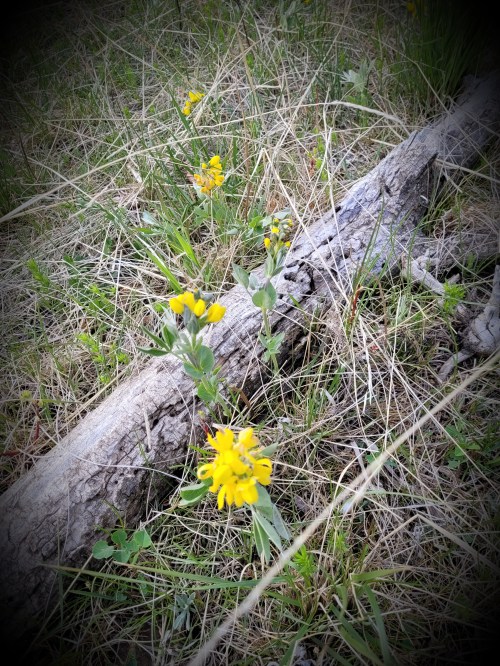
“I left her in the gully,” he disclosed sullenly.  “She wheezed, gasped, coughed and died on the trail comin’ home. I pushed her too hard and no amount of grinding her gears or sweet talkin’ was gonna get her to climb that hill. In the end, her heart gave out – it just blew up. Guess you could say I killed the old girl.”

“You did not let your son or any of your relatives or friends know she’d passed, correct?”

“Naw, there wasn’t any point,” he shook his head sadly. “Nobody really cared about her ‘cept me so there was no call for grievin’ or letters of condolence.  She had a good life. I’ll remember her fondly.”

“Tell me what you remember,” the inquisitive young man encouraged. “And, why did you leave her in the bottom of a coulee?”

The older man leaned back against a fence post, stroked a day’s worth of whiskery growth on his chin then pulled his well worn cowboy hat down over his forehead. A wry grin spread across his face.  He crossed his long legs clad with faded denim jeans and Tony Lama boots which had clearly seen better days then reached into the pocket of his shirt to pull out a pack of cigarettes.  He lit one, drew deeply then exhaled staring toward gulley. There wasn’t an ounce of regret or guilt to be seen on his weathered old face.
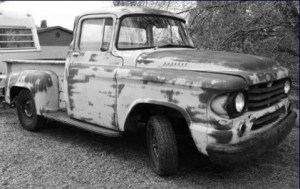
“We called her Old Blue,” he stated simply.  A twinkle had developed in his brown eyes.

“She was a 1959 Dodge Step-Side D-100, with a flathead six motor.  Three on the tree shift on the steering column.  Manual steering or as we liked to call it back in the day, strong arm steering!”  A wide grin had spread across the cowboy’s face.  He shuffled forward on his Tony Lama’s and crushed the butt end of his cigarette into the prairie grass, fully extinguishing it.

He cleared his throat.  “She was navy blue in color and would have been a beaut new, but she’d already been fairly worn in by the time my Dad brought her home.  She was weathered; some of her shine was worn off.  It didn’t matter none to us.  We were more than proud to have her.  Anyhow, her being dull and worn, that’s why we dubbed her Old Blue.  She would have been ten or twelve years old when Dad drove her into the yard, ‘cause my sister and I started driving her when we were only about nine or ten ourselves.”

The cowboy’s face changed and his voice turned more serious. 

“Things weren’t as regimented as they are now.  Parent’s needed the entire family’s help on the farm.  We grew up quicker – stronger and freer, you could say.  The land here on the Alberta prairie was wider, more open, less fences.  Most roads were gravel or non-existent which meant you followed someone else’s rough trail or made your own through the country.  And, a lot of times, we did just that – especially in the winter – roads would be completely drifted in for miles, so we detoured across the prairie where we could at least dodge the large snow drifts or buck through the smaller ones.  You see, out here, the wind is vicious. It pushes snow along the flatland until it catches something to cling to or it will accumulate or settle into low lying areas like gulley’s or coulees. The gravel roads became impassable because the snow would accumulate in the ditches and drift across the road.  Graders were few to none in those days.  People always carried shovels, chains and tow ropes in the winter months. We didn’t take the old girl out much in the winter.  Her heater didn’t work well so we bundled up tight and sat close for warmth. But, I’m getting ahead of myself,” he stopped talking and leaned back against the fence post. “My point is that parents started their kids driving and the like a lot younger back then.  They had adult responsibilities and were trusted to certain jobs without constant supervision.  We were a lot freer when I was growing up and we worked hard.  Now days, people want to bubble wrap their children and do everything for them.  They don’t learn how to be responsible.  But, I digress, you don’t want to hear about that,” he pushed up his cowboy hat and scratched his head revealing a thick swath of silvering hair.

“Back to Old Blue,” he continued.

 “As I was saying; I was only about nine or ten when I started driving Old Blue, ripping up and down the prairie fields.  Her top speed was about 70 mph but I never dared to top her out.  She was a rough old girl with leaf springs and a straight axel front end.  Driving her was like trying to herd a bunch of cattle down the road. You had to be quick thinking to even keep her on those old dirt roads! If you hit a pot hole too hard you’d rap your head on the inside of the cab! The clutch, brake and gas pedal went straight through the floor.  The rubber around them had rotted away and you could see the ground below as you drove.  At times we got completely dusted out because the tires would kick the dirt right up through those holes.” 

He started to laugh.

“And, the passenger door flew open if you took a hard left!  Back then, there were no such things as seat belts, so at times, you had to reach over and yank the passenger back in to save their life!  That old truck took a lot of abuse.  The passenger fender was all bent up and bolted back on because my mother had Old Blue in reverse accidently then backed her into a tree and tore it off. For reverse, you pushed the clutch in with your left foot as you pulled the shift on the steering column towards the steering wheel and up. For first, you pulled toward the steering wheel then down.  Second shift was push up towards the dash then third was toward the dash and down. You had to push that clutch down before you shifted every time and give ‘er the gas especially for first or reverse or she’d stall out. My mother was famous for stalling that truck out going up hills.  I’m actually surprised to this day that I’m still alive to tell the tale – my mother was an atrocious driver which is why my sister and I were determined to start driving!” The old cowboy chuckled and shook his head. “She even bounced us off of the end gate a time or two while berry picking. We’d pick ourselves up off of the ground spitting dirt and go running after the truck because she never thought to check the mirrors to see if we were still there!”

“Anyhow, starting that truck,” he paused, “we weren’t very tall yet when we first started driving, so we had to shimmy forward on the seat to reach the pedals.  Vehicles now days are all fuel injected, mostly you turn a key or push a button and they start immediately; everything is computerized. Being a ’59 Dodge Step-Side, Old Blue didn’t start that way.  The first thing you did was turn the key.  If it was cold, you pulled out the choke located on the dash then pumped the gas pedal twice – on the left side of the floor above the dimmer switch was another pedal that you pushed with your foot, which was the ignition.  Normally, once you depressed the ignition she’d fire right up. Of course you needed to push the choke back in and give ‘er some gas to keep her going until she idled down.  The trick was not stalling it after putting her in gear. We gave ourselves whiplash to begin with! As soon as we figured that out we were gold. Slowing her down and getting her to stop was easy.  To slow down, you only needed to push on the brake. To stop, you pushed in the clutch and depressed the brake. At first, we were only allowed to drive Old Blue around the farm and out into the fields either to take meals to the men or to go to work ourselves.  I’d take her out and go stook bales during haying season or check cattle in the spring, summer and fall.  Sometimes, I’d take her out hunting gophers and the like. After I got a bit older and grew a little more, I drove all over the back roads and ripped up the prairie trails with my buddies.  During the hot summer days, we would all pile in Old Blue and go down to the river or to an irrigation ditch swimming. There was no such thing as air-conditioned vehicles.  You rolled the windows down and put the pedal to the medal,” he chuckled. “The back of the box would be filled with inner tubes and kids, the adults would pile in the front seat along with the smaller children and picnic lunches.  You can’t ride in the box of a half-ton anymore either – safety reasons apparently.  But, we did it all of the time back in the day. That old ’59 Dodge had a good life!  She was mine for many a year. Sometimes, I think she went downhill faster than she ever went up one – sometimes in reverse!  She didn’t quite have the power needed to crawl up steep hills. Especially on the day she died.  She wheezed, gasped, coughed, choked and rolled down the gully into a bed of wolf willow before I could stop her. That’s where she died. Is there anything else you want to know about her?” the old cowboy looked at the younger man bemused.

“Why didn’t you tow her out of there?” The younger man questioned.

“Well, she had smoke billowing out of her engine, I sorta felt like she’d just had a heart-attack. And, I felt ashamed, kinda like I’d murdered a friend. The plan was always to go down and get her but that year we had an early winter with a ton of snow.  In the spring it was too wet and as life is, I just got busy.  She wasn’t a priority I already had a different truck.  One that was newer.  In the end, I thought it best to let the prairie claim her. It’s where she belonged.”

“Did you know that between 1957-1959 Dodge only produced about 2,500 of those trucks and that they are a highly sought-after collector’s item?  I mean the market value due to their rarity if they are well-restored, can reach high prices! One 1957 model, for example, sold for over $85,000.00,” the younger  man stated incredulous.

“Well now is that so…,” the old cowboy reached into his shirt pocket and pulled out his pack of cigarettes then lit one in an attempt to hide his amusement.  The younger man was dressed much like himself except for the ball cap on his head and work boots on his feet. Judging by the insignia on his newer Chevy 4 x 4 he was coming from the oilfield. The cowboy wasn’t sure what it was about this young guy but he liked the set of him. He seemed to have some grit and looked to be a hard worker. At the moment, his face was animated and his blue eyes sparkled.

“Old Blue isn’t much of an heirloom where she sits now son,” he chuckled.  “But, if memories were dollar bills, I reckon she’d be priceless.”

“Would you sell her?”

“Oh hell no,” the cowboy laughed. “You look like you have integrity.  Are you a man of your word?”

“Yes, sir,” the young man nodded.

“Well then, if you’re looking for a big restoration project, I’ll help you tow her up out of the gulley.  The deal is once she’s refurbished and if you’re able to get her running again, I’d sure like to go for one last ride in her. If you’re amiable, we’ll shake hands on it. The way I was raised, people trusted their neighbors and they looked out for one another.  If you shake hands, that means keeping your word same as any contract now-a-day.”

The younger man reached out and calloused hand met calloused hand. A firm hand-shake ensued.

Before he left the younger man reached into the top pocket of his shirt and handed the old cowboy a card with his name and phone number. 

“I’ve often wondered about the story that rusted, abandoned truck had to tell.  I hope I’m able to make a few more stories for her in the future.  Thanks for telling me about her.  I’ll be back in a couple of days for Old Blue if that’s alright.”

The old cowboy smiled, tucked the card in his pocket behind his pack of cigarettes and bent down to  pick up a pair of fencing pliers, “I look forward to it son. Thanks for the trip down Alberta’s prairie trails better known by this ole cowpoke as memory lane.”


Thank-you for following, reading, sharing and commenting – The Trefoil Muse
Read Full Post »

Shining through the darkness.

Read Full Post »


It was the eve of the Autumn Equinox.  Anna stood in the middle of the vast prairie admiring a hedgerow of wild buffaloberry bushes.  Vibrant red berries popped among pale green leaves and thorny branches.  Burdened with a bounty of tart buffaloberries, branches bent toward the ground. The stout bushes were loaded with berries ripe for picking. Crimson berry clusters stood in stark contrast to an otherwise colorless, drought-ridden prairie landscape. Anna picked several handfuls of the sour treats, and ate them, her face puckering in delight with each mouthful. Buffaloberries were an unanticipated reward – however, she wasn’t prepared to gather berries and it was getting late.

 As the sun began to set, colors glanced off of the smoky horizon adding golden pink and orange hues to the skyline.  A crescent moon began to rise at an oblique angle on the eastern side of the prairie. 

The evening colors were beautiful; a prelude of what colors autumn would be sharing at dusk.  Anna couldn’t resist.  She took a snapshot with her camera. Unfortunately though, she was not a professional photographer. The picture, a once in a lifetime moment in time, turned out to be a mere façade of what she’d witnessed with her own eyes.  Disappointed, she added the photo to her album and closed the cover.

It was days later when Anna re-opened the album.  Feeling dejected, she glanced at the dismal prairie photograph and closed her eyes breathing deeply as she relaxed.  As she counted to ten, the world faded to black.  That is when the magic happened. When Anna opened her eyes again, she saw the picture anew. It only took twelve seconds for her to change her perspective and see the magic.

Anna’s secret for magical change:

  1. Close your eyes
  2. Count to ten
  3. Open your eyes

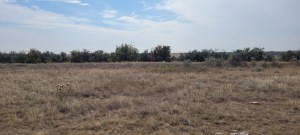
See how a picture can change with a fresh new perspective in twelve seconds:


With the changing season be sure to rest and relax. Discover Anna’s secret yourself.

Close your eyes and breathe.

Calm your mind.

Let the world fade to black. Then open your eyes and see the fresh new colors autumn has to offer. 

Enjoy nature’s bounty.

A change of season is much like a change of perspective – it adds color to one’s life!


Thank-you for following, reading, sharing and commenting – The Trefoil Muse
Read Full Post »

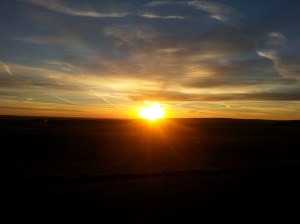
My home;

 Home on the range,

Where the deer,

And the antelope play…

Where seldom is heard

A discouraging word,

And the skies are not cloudy all day,

May your home range be an oasis of serenity,

Have an amazing day!


Thank-you for following, reading, sharing and commenting – The Trefoil Muse
Read Full Post »

Spring is always a very busy time of year on the prairie. 

That being said, I have been a very busy Bee!

But, don’t get your stinger in a knot; I’ll be back with some new stories soon.


Thank-you for following, reading, sharing and commenting – The Trefoil Muse
 

Read Full Post »

Alberta is dry.

A heat dome has settled over our province. 

The prairie has been an arid desert.

Dust hangs in the air and silt blows through any cracks and crevices of the house to rest indoors on my furniture.

Our northern forests are ablaze.

In the news, no one reports on the arson which caused this fiery tragedy up north, on any charges laid or on the perpetrator(s) set free until their court date arrives. In the midst political campaigns, they’d rather call it global warming than tell the truth.  It’s just more of the same political rhetoric.

Meanwhile, fire fighters are busy trying to fight fires and farmers are busy trying to seed their crops.  Cattlemen and women are busy tending to their cow/calf operations. People are busy living their lives both in rural and urban areas.  At this point, most Albertans have probably already decided on which candidate they will vote for and don’t care about two women fighting over who will reign as Premier in our province. But, the political force with their mudslinging and bluster has left a foul odor in the air.

Today, a barbarous cold wind blew in from the north.  They call the wind, Tramontane.

With flying hooves, Tramontane carried smoke from the north, across central Alberta and delivered it south.

The smell of smoke and fire troll mingles with dust to smudge our province of negativity. Once the foul political odor is removed from the air, I’m sure it will rain.

Tramontane, the north wind, promises a change in weather. 

Around here, all of the crops are in the ground.  They would definitely benefit from some moisture as would the rest of our province.

Alberta needs rain.

And, when it does, I’m going to dance like nobody’s watching!

Hang on a second, let me correct that, why wait?

I’m going to go out in that smudgy, windy air and do a rain dance with Tramontane like no one is watching right now!

I hope you’ll join with me in the dance where ever you reside.  The more the merrier! Let’s make it rain, just dance!

The North winds moral lesson is that kind and gentle persuasion always wins over force and bluster.

(May whomever aspires to reign over our province in the future consider the above lesson.)


Thank-you for following, reading, sharing and commenting – The Trefoil Muse
 

From Wikipedia, the free encyclopedia
Tramontane (/trəˈmɒnteɪn/ trə-MON-tayn)[a] is a classical name for a northern wind. The exact form of the name and precise direction varies from country to country. The word came to English from Italian tramontana, which developed from Latin trānsmontānus (trāns- + montānus), “beyond/across the mountains”,[1][2][3] referring to the Alps in the North of Italy. The word has other non-wind-related senses: it can refer to anything that comes from, or anyone who lives on, the other side of mountains, or even more generally, anything seen as foreign, strange, or even barbarous.
The journey of “tramontane” into English starts in Latin and begins with the coming together of the prefix trans-, meaning “across” or “beyond,” and montanus, meaning “of a mountain.”

Read Full Post »

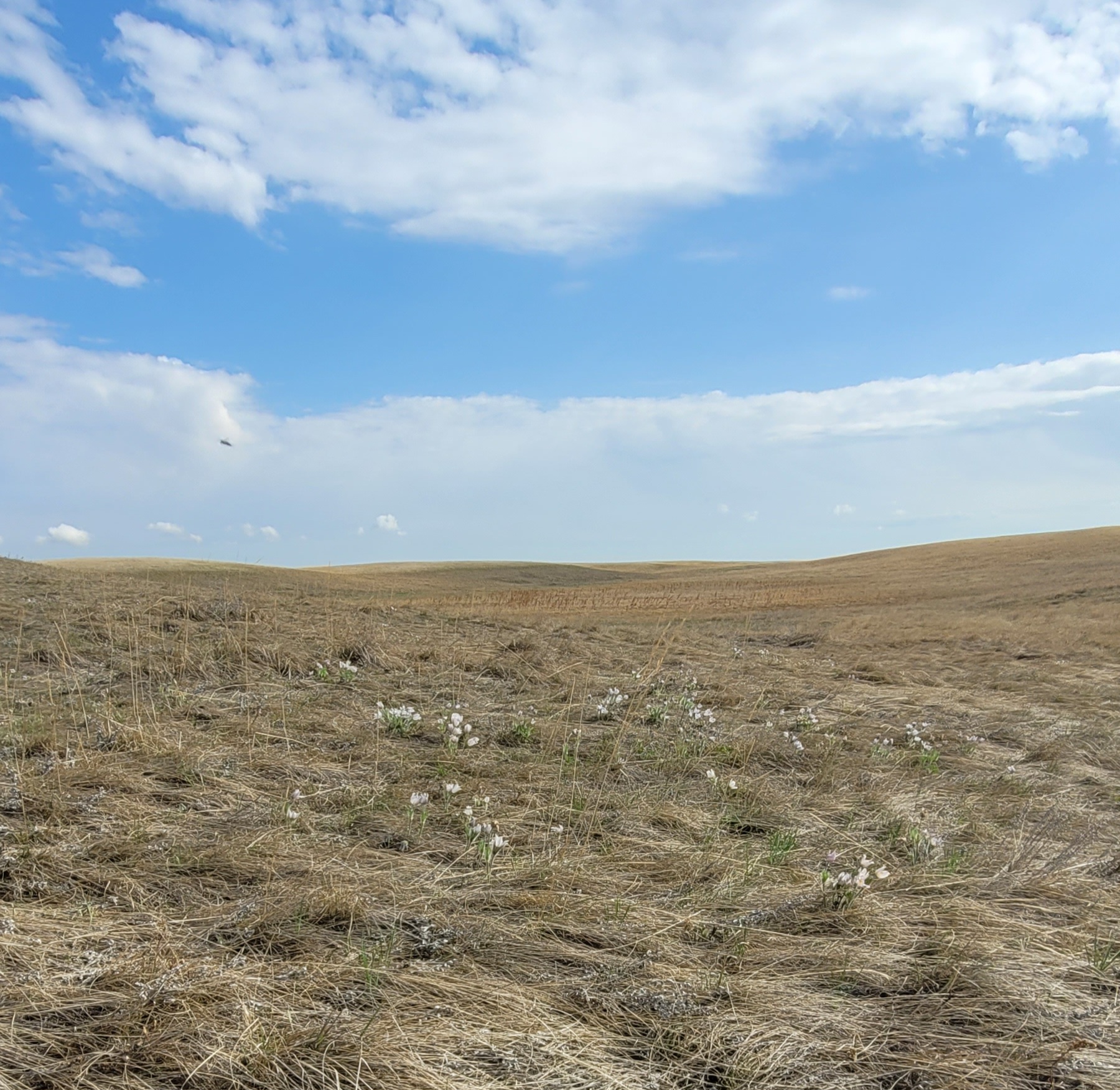
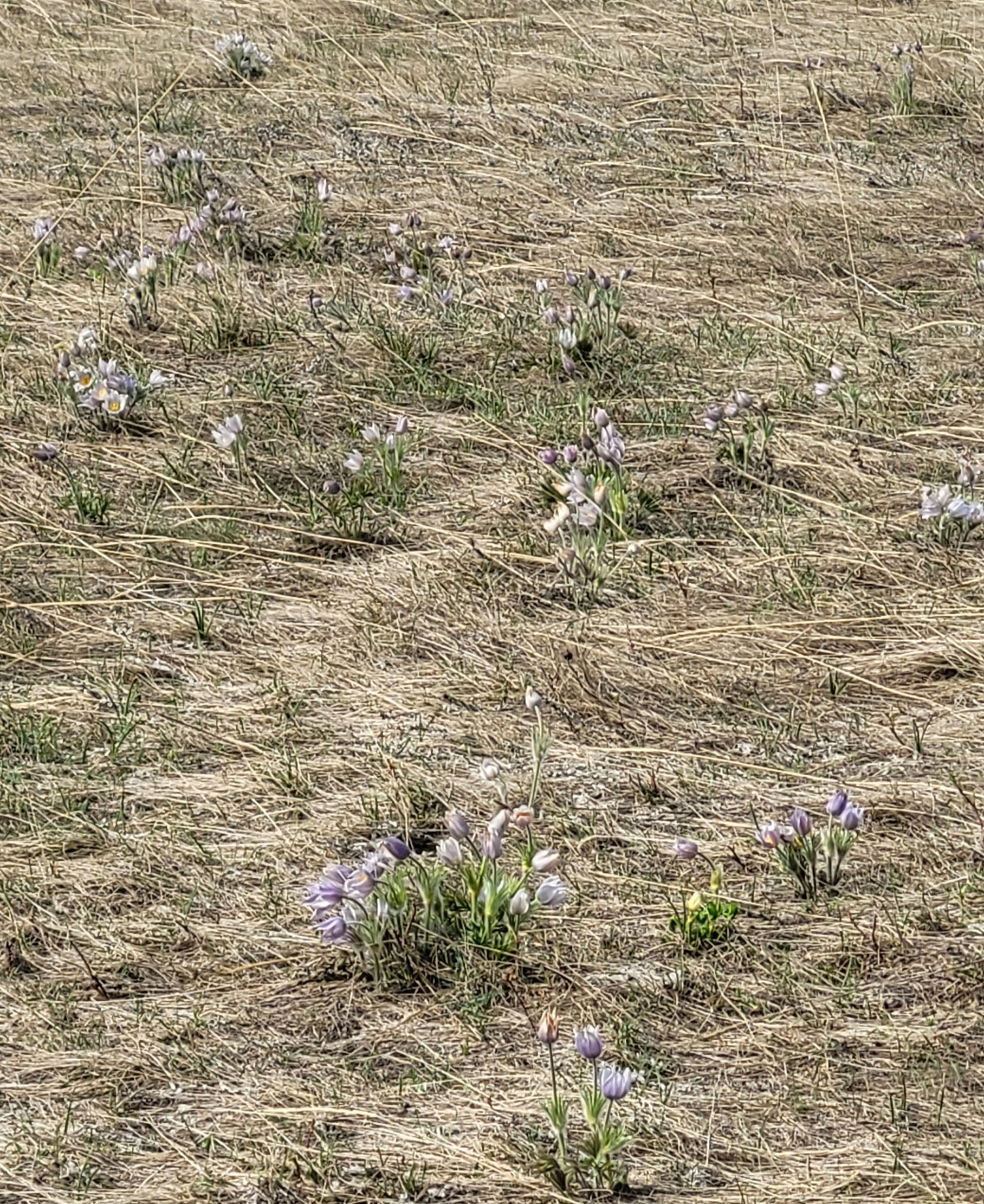
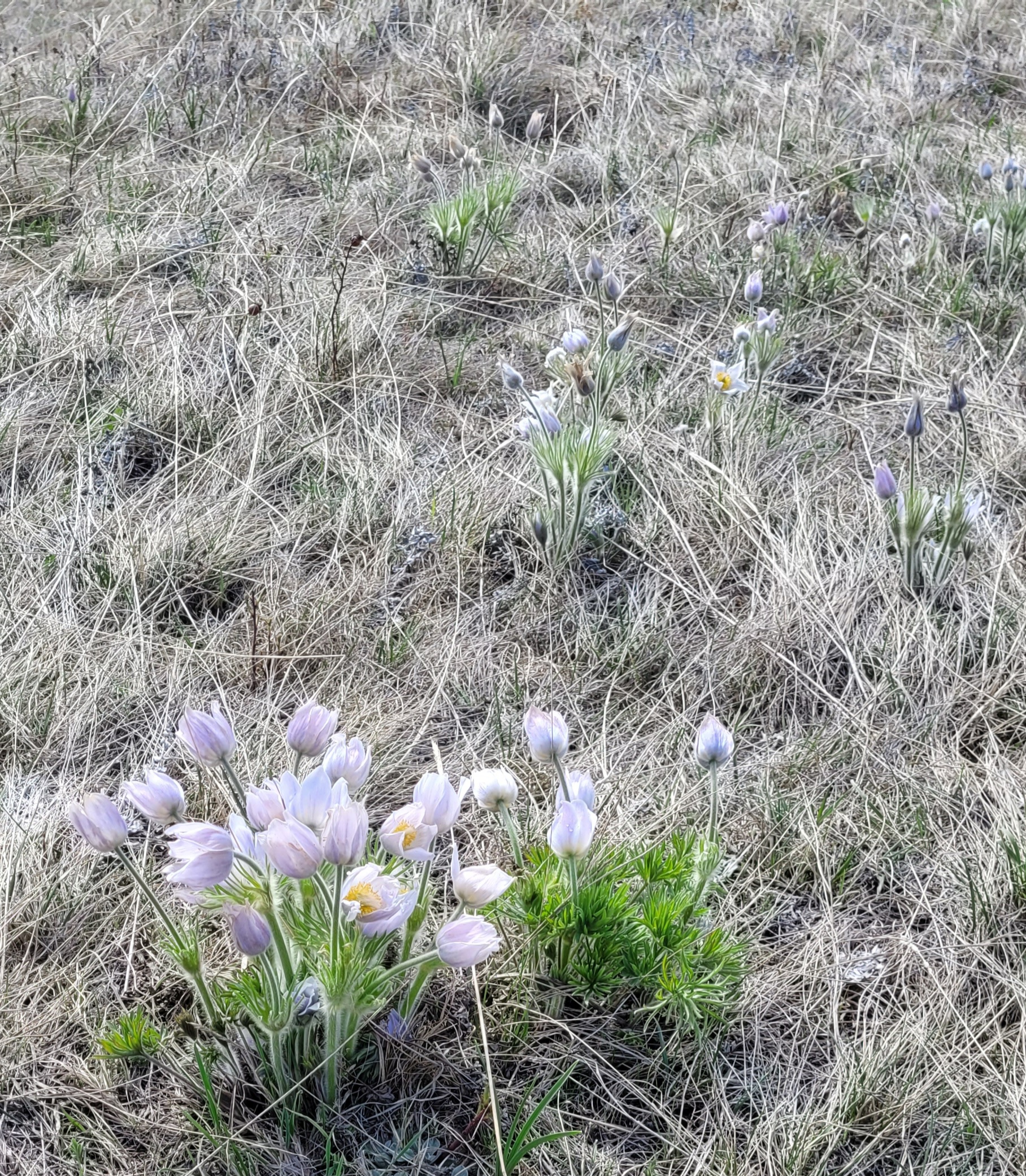
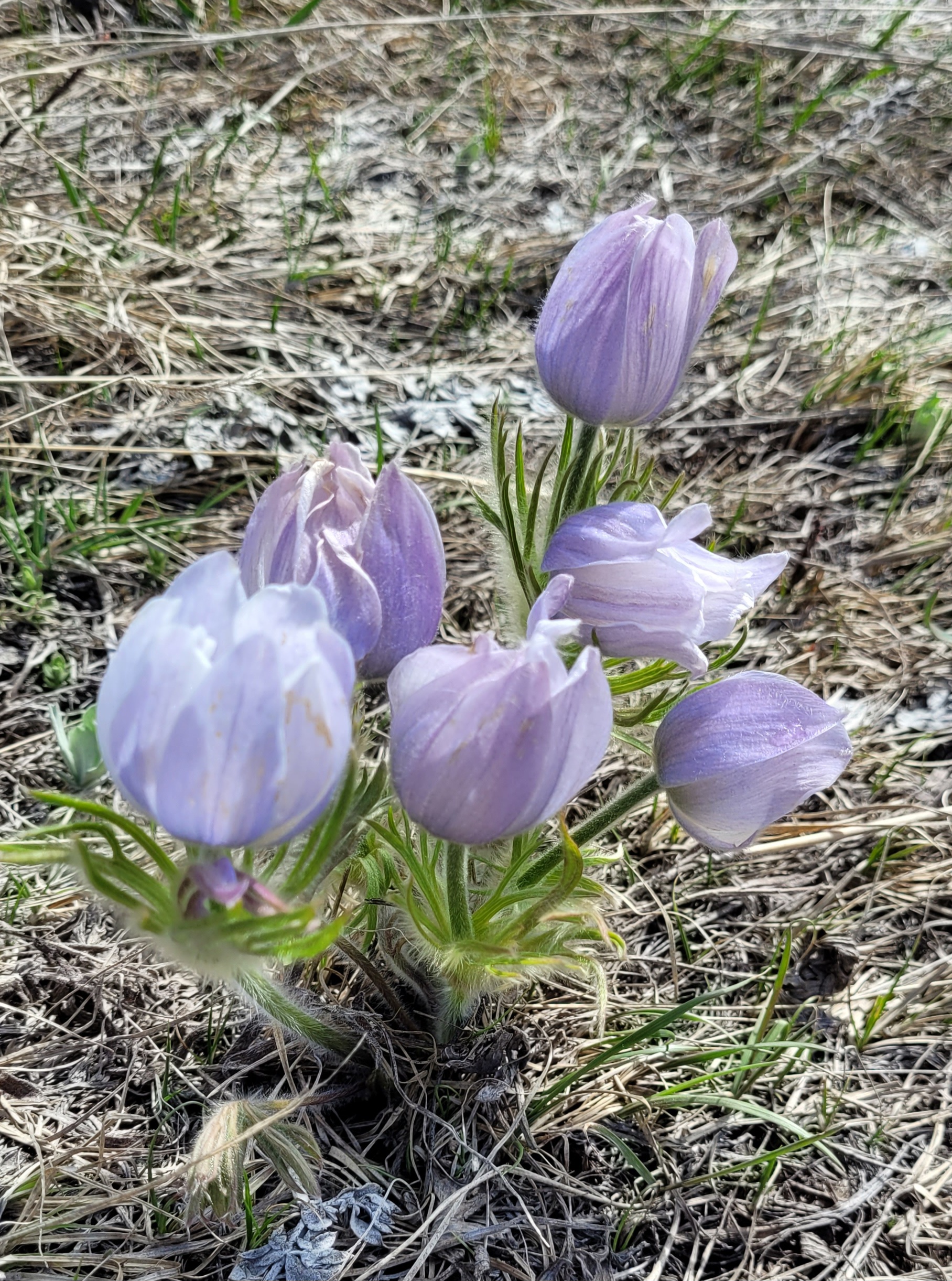
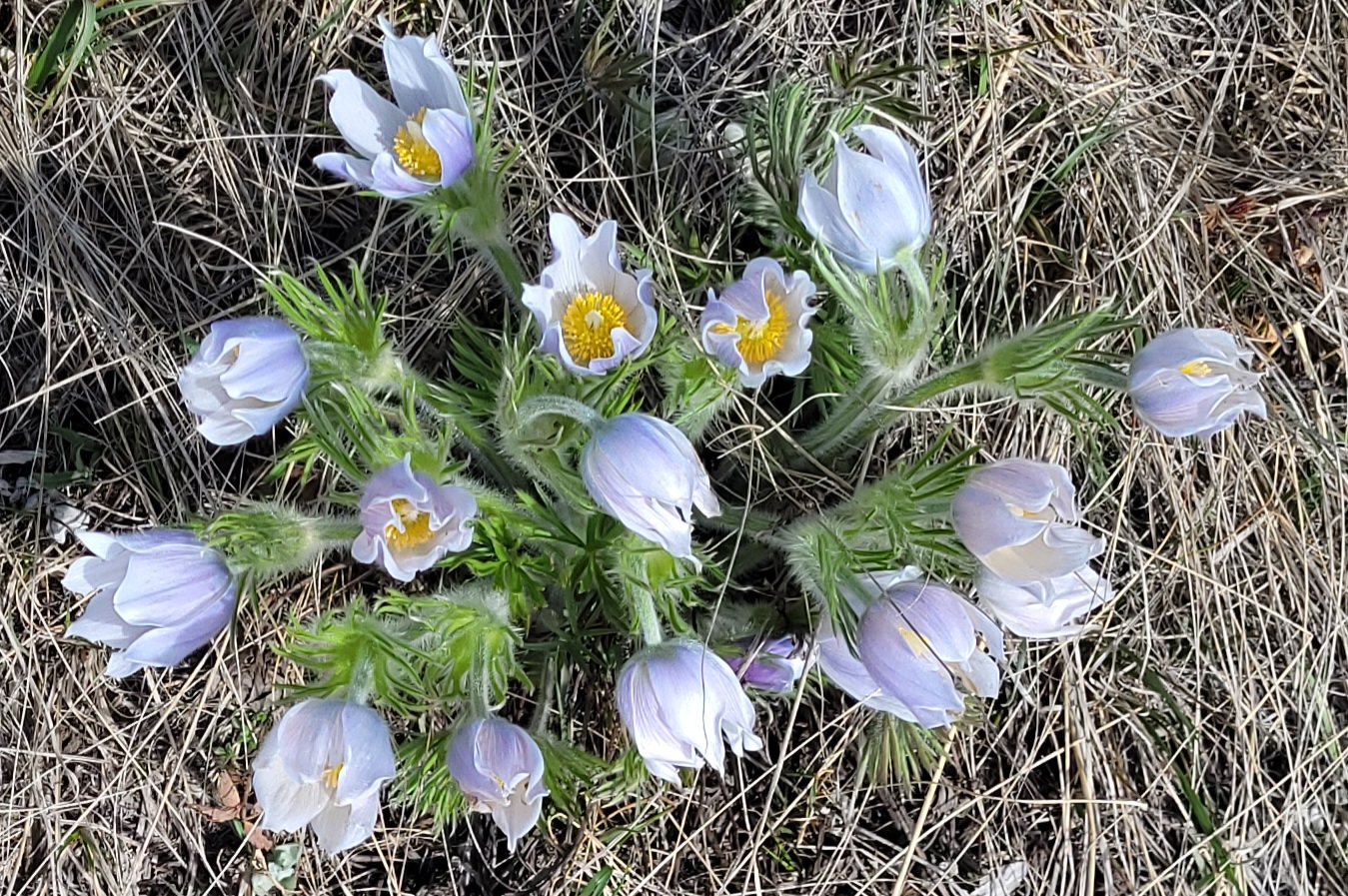
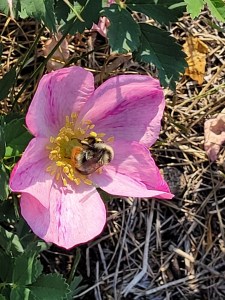
There are swaths of purple gracing the prairie pastures as crocus bloom.

I found these on a road less traveled.

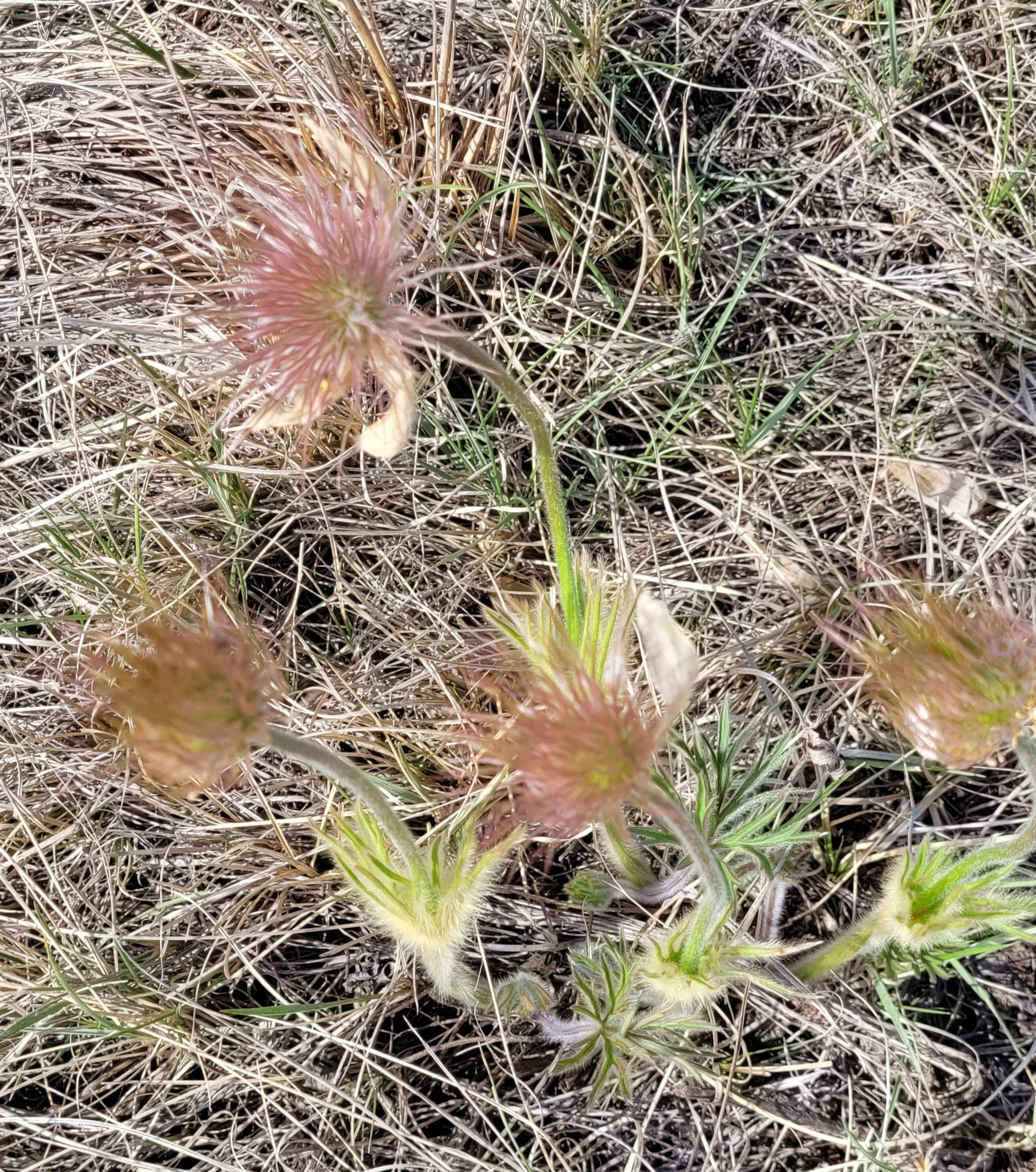
As you can see, the blooming period of the crocus is coming to an end. I hope you enjoyed this little piece of the wild prairie!

Thank-you for following, reading, sharing and commenting – The Trefoil Muse
Read Full Post »

Three weeks ago, a foggy mist of milk white hid the horizon. It was still cold. Spring was here but the tendrils of winter were loath to release their taunting grip on the prairie.

Many migrating birds were overhead.  I knew this because I could hear them.

I always tend to marvel at the ability of migratory birds especially, their instinctual ability to navigate blindly through inclement weather and unseen territory while they fly toward their new destinations.

I heard familiar honking in the distance. The recognizable sound was that of the Canadian Geese as they arrived in droves while fog shrouded the land. Other flocks of migratory birds were also flying in. Their types were harder to discern with listening ears because the opaque wall inhibited any clear view of the arriving birds and muffled the sounds of their songs.

The misty cold weather was surreal. Unending fog can be depressing to some but I enjoy the damp, cool weather and find the wall of cloudy white strangely comforting, even safe. I like the idea of disappearing behind a veil of white.  It’s private. I especially like walking in the fog, mainly because I am obliged to use my other senses and am forced to pay closer attention to what’s in my immediate circle during the hours before the fog relents to the rays of the mid-day sun.

But, that day, I was imagining what it would be like to spread open the white wall of fog with my hands as if it were curtains and step through it.  I was wondering if it would it be a clear day or magical world on the other side of the curtains when a knock interrupted my whimsy.

Knock, knock.

Knock.

“What’s knocking at my front door, it’s not like a knocking that I’ve heard before,” I wondered. (more…)

Read Full Post »

Read Full Post »

White rabbits, white rabbits; spring arrives; winter weather lifts; and there are white rabbits everywhere! 

Rabbits are prolific creatures. There are so many of them here that it is near impossible to count their numbers.

The rabbit symbolizes fertility, luck, creativity, compassion and intuition.  Rabbits are associated with springtime and new beginnings. They are happy reminders that life is full of possibilities. A rabbit’s foot is a lucky token and rabbits are considered symbols of fortune.

But with the appearance of all these rabbits, is it possible our home has undergone a takeover by Easter Bunny Central?

We have a profound conglomeration of long-eared, fluffy-white-tailed creatures hopping around our farmyard and nearby fields.

The majority of rabbits inhabiting the farm are jackrabbits but somewhere during the winter months a bush bunny family moved in as well.

Bush bunnies, otherwise known as mountain cottontail are the only true rabbit in Alberta.  Despite its name, it is not actually found in our mountains. It is restricted to the prairie regions of the province, where it can be found in areas with sufficient brushy cover. I suspect our newly arrived cottontails fled from a nearby coulee to take up residence in our hedges mid winter. 

I usually spot my little bush bunny or cottontail friends closer to the house not far from the hedges, whereas, their larger counterparts, the jackrabbits like kibitzing out in the open.

Jackrabbits, otherwise known as snowshoe hares, are larger than rabbits, have longer hind legs and longer ears.  An interesting fact to note is that rabbits or baby bunnies are born hairless and blind whereas baby hares, (called leverets) are born with fur, can see, and are mobile within an hour of birth.  As well, hares turn from brown in the summer to white in the winter; rabbits do not. 

Our prairie jackrabbits are well camouflaged during seasonal changes.  Right now, most of them are still wearing their white jackets and blend in with the white covered landscape.  Some have begun to shed their white fur and have a brown patchy appearance and are hard to see against the barren spring earth.   Jackrabbits will hide among and under rocks, outbuildings, hollow logs, and other covered spaces or even in plain sight. When faced with danger, rabbits tend to freeze and/or run for cover, while hares will usually try to run away and out maneuver their pursuer. 

The jackrabbits around here love to taunt my dogs.  They have even been known to run right through our legs during a daily walk to induce a game of tag.  Jackrabbits can run up to 55 km/h (34 mph) and can leap up to five meters (16 feet 5 inches)!  They are agile athletes who elude predators from following their scent through a series of large bounds, sometimes even moving at right angles to their previous direction. My poor good natured dogs don’t stand a chance.  They get out distanced and out maneuvered by the jackrabbits during every competition.  Still, they love the chase and it seems to be great exercise for both the rabbits and the dogs.

To be honest, I find the bush bunnies to be much cuter than the jackrabbits but the jackrabbits have afforded me plenty of comic relief over the years due to their antics with my dogs and their Easter exercise regimes. 

To be a successful Easter Bunny candidate, one must assume that a rabbit or hare needs to be white or well camouflaged, agile and fleet of foot to deliver all of those chocolaty candy eggs across the Alberta prairie.

The training sessions around here must have produced plenty of successful Easter Bunnies and gained popularity with the rabbit populous. Rabbits have great listening skills and word seems to have spread that our remote Easter Bunny Central location is top notch. It seems very fortuitous that more and more white rabbits keep appearing from out of nowhere. 

With all of these white rabbits hopping around, I’m beginning to feel like Alice in Wonderland.

Which makes me wonder; if I utter the words white rabbit three times will they all magically disappear like a puff of smoke to be hare today and gone tomorrow? Or have I myself fallen into a rabbit hole?

Happy Easter every bunny!

Thank-you for following, reading, sharing and commenting – The Trefoil Muse
Read Full Post »

Older Posts »